
Learning Beyond Walls: Shuvayuga’s Outdoor Adventure
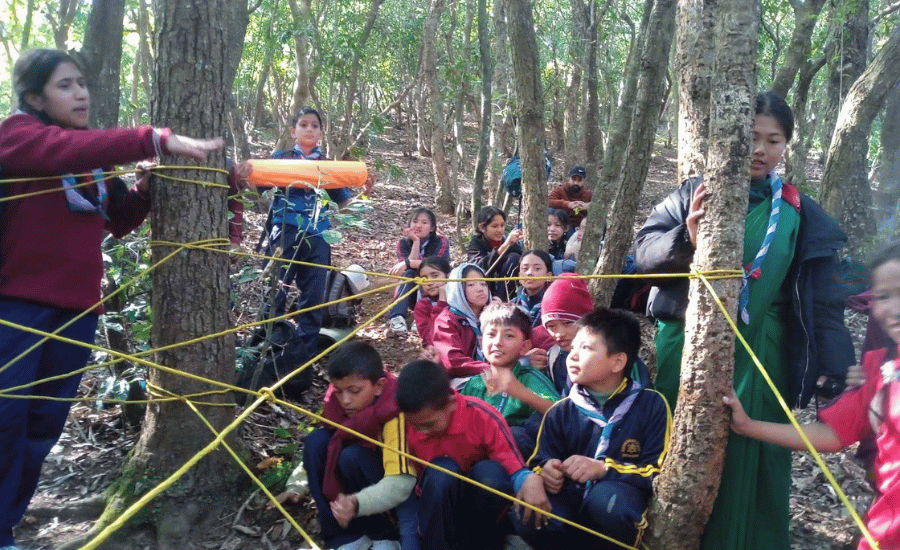
Sometimes the best lessons don’t happen between four walls. On a crisp December morning, students from Shuvayuga Secondary School packed away their notebooks and traded their classroom chairs for something far more challenging: uneven trails, team puzzles, and the great outdoors. This wasn’t a vacation. It was an educational trip with purpose. Learning to Work Together If you’ve ever tried to navigate a forest path while coordinating with your classmates, you know it’s not as easy as it sounds. But that was exactly the point. The photos tell the story better than I can: students huddled together on grassy slopes, planning their next move. Kids carefully making their way through rope obstacles strung between trees, figuring out how to help each other across tricky terrain. Laughter mixed with concentration as they tackled challenges that required more than just book smarts. This was “hiking with scouts” — but really, it was about building something that’s hard to teach from a textbook: teamwork. Why This Matters Look, I get it. When we think about education, we usually picture exams, grades, and report cards. And those things are important. But there’s something else that matters just as much: can you work with others? Can you solve problems when there’s no clear answer in the back of the book? Can you keep going when things get tough? Out there on the trails, students were learning all of that. When you’re trying to cross a rope obstacle and your friend is counting on you not to let them down, you learn responsibility. When you’re hiking uphill and someone’s struggling, you learn empathy. When you finally make it through a challenge together, you learn that collaboration actually works. The Scout Spirit The trip was organized with the scout movement in mind — and if you know anything about scouting, you know it’s about more than just tying knots and pitching tents. It’s about character. About being prepared. About helping others. About respecting nature. Watching these students navigate the forest trails, you could see those values in action. They weren’t just following instructions; they were making decisions, supporting each other, and discovering what they’re capable of when they step outside their comfort zone. A Different Kind of Classroom There’s something powerful about taking learning out of the building. Suddenly, the “classroom” is alive with birdsong, fresh air, and real-world challenges. Students who might be quiet in class come alive when they’re leading a team through an obstacle. Kids who struggle with tests show incredible problem-solving skills when faced with a physical challenge. That’s the magic of experiential learning. It meets students where they are and shows them that education isn’t just about memorizing facts — it’s about becoming capable, confident people. The Takeaway By the end of the day, tired but triumphant, these students walked away with more than just photos for their school album. They walked away with memories of working together, overcoming obstacles, and discovering that sometimes the best way to learn is to just get out there and do it. Trips like this remind us that education is about the whole person — mind, body, and character. And honestly? That’s the kind of learning that sticks with you long after the exam papers are graded. Well done, Shuvayuga Secondary School. This is what education should look like.
Creativity on Display at Shuvayuga’s Annual Function

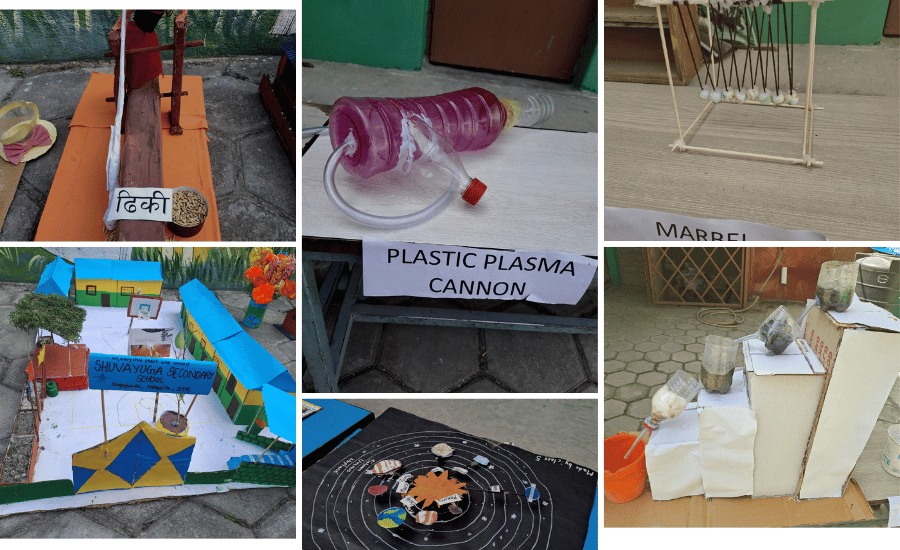
If you walked past Shuvayuga Secondary School in Sitapaila on March 1st, you might have thought you’d stumbled into a mini science fair meets cultural festival. And honestly? You wouldn’t have been wrong. The school’s Annual Function 2082 was one of those events that reminds you why hands-on learning matters. Forget boring textbooks for a day—this was about students showing what they actually know, not just what they can memorize. The Projects That Caught My Eye Let me tell you about some of the stuff that made me stop and actually pay attention. There was this incredible model of a woman using a dhiki—you know, the traditional rice pounder we still see in villages? The student who made it didn’t just slap something together. They thought about the details: the posture, the wooden beam, even a little pile of actual grain next to it. It wasn’t just a school project; it felt like respect for the work our grandparents did every single day. Then there was the model of the school itself. I’ve walked past those colorful blue and green buildings a hundred times, but seeing them recreated in miniature? It made me look at the place differently. Someone paid attention. Someone cared enough to get the details right. Science with a Side of Creativity Here’s where things got fun. One student built what they called a “Plastic Plasma Cannon” out of—get this—old plastic bottles. That’s it. No fancy equipment, no expensive kit. Just a recycled bottle, some basic physics, and a whole lot of brainpower. When it worked (and it did), you could see the pride on that kid’s face. That’s the stuff you can’t teach from a textbook. Another table had a handmade calculator model. Now, I know what you’re thinking—we all have calculators on our phones. But the point wasn’t the device itself. It was about understanding how it works, about breaking down something we take for granted and building it from scratch. That’s real learning. And scattered around were these beautiful brass items—traditional Nepali utensils, carefully labeled and displayed. It was like walking through a mini museum of our own culture, curated by kids who probably heard stories about these things from their grandparents. What This Actually Means Look, I’ll be honest. We live in a time where everyone’s obsessed with grades, rankings, and who got into which college. And sure, those things matter. But events like this? They matter too. Because when a student stays up late perfecting a model, or figures out how to make a working prototype from scrap materials, they’re learning stuff that’ll actually help them in life. Problem-solving. Creativity. Persistence. The ability to explain your ideas to other people. You can’t multiple-choice test those skills. But you can see them on display when a kid excitedly explains their project to a room full of parents and teachers. The Real Winners The parents who showed up clearly got it. You could see them nodding, asking questions, taking photos. For once, they weren’t asking “what grade did you get?” They were asking “how did you make this?” and “what did you learn?” That shift matters. And the teachers? They were beaming. Not because everything was perfect—some projects were rough around the edges, honestly—but because their students were engaged. You can’t fake that kind of enthusiasm. Bottom Line Shuvayuga Secondary School’s Annual Function 2082 wasn’t flashy or overproduced. It was real. It was students showing what they could do when given the chance to create instead of just consume information. In a world that’s increasingly focused on screens and standardized tests, that feels kind of radical. And I’m here for it. To the students who put in the work, the teachers who encouraged them, and the parents who showed up to celebrate: you’ve set a pretty great example of what education can be when it’s about more than just passing exams. Well done, everyone. Well done.

100% in SEE: A Note of Pride from Shuvayuga Secondary School

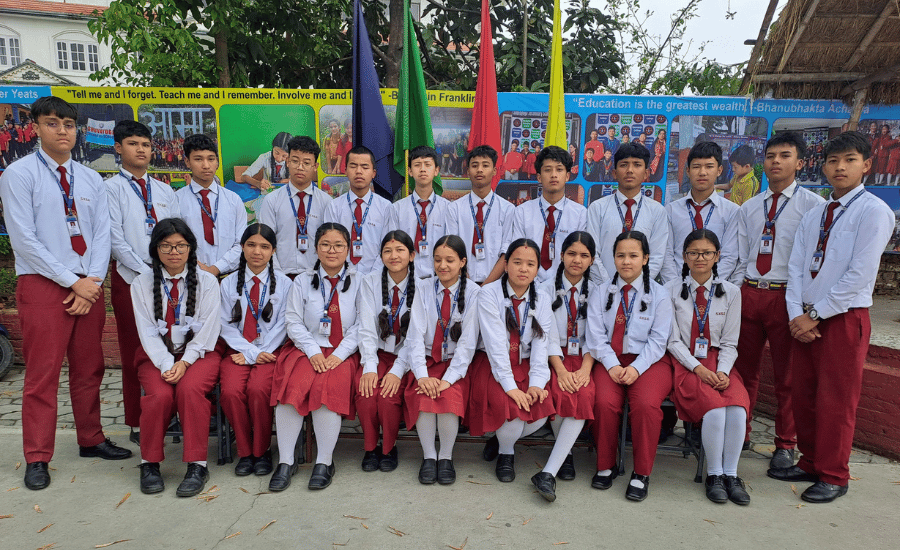
To our SEE graduates, parents, teachers, and everyone who’s been part of this journey: congratulations. When the results finally came out, we didn’t just see scores on a screen. We saw the early mornings, the dog-eared notebooks, the practice tests, the moments of doubt, and the quiet persistence that brought you all here. And today, we get to share something that speaks for itself: every single student from Shuvayuga Secondary School passed. 100%. Your hard work and dedication have truly paid off, and we couldn’t be prouder. This result isn’t just about marks. It’s about showing up, trying again when things didn’t go right the first time, and trusting the process even when it felt heavy. You did that, and it shows. We’d be leaving something important out if we didn’t give a special mention to Ms. Kristi Kunwar, who finished as our school topper with a 4.0 GPA. Kristi, your consistency, focus, and willingness to keep learning have been an inspiration to your classmates and teachers alike. Well done. You’ve earned every bit of this. None of this happens in a vacuum. Behind every report card is a teacher who stayed back to walk through a tricky problem one more time. It’s a parent who offered a steady word of encouragement on hard days. It’s a school staff that believed in these students even when they were still figuring things out themselves. To our colleagues and supportive guardians: thank you. Your guidance, patience, and encouragement have been invaluable. You are an essential part of this success, and we’re deeply grateful for the partnership we share. To our SEE graduates: this exam was a big milestone, but it’s not the end of your story. Whether you’re heading into +2, a vocational program, or exploring a different path entirely, take the habits you built here with you. Keep asking questions. Keep showing up. Don’t let one result define you, but do let it remind you of what you’re capable of when you put in the effort. We wish you all the best in your future endeavors, and we’ll be cheering for you from here. Come back and visit when you can. Keep in touch. And never forget the classrooms, the corridors, and the community here in Sitapaila, Saranpur, Nagarjun-4, Kathmandu, where you grew, learned, and proved yourselves. With pride and warm wishes,The Shuvayuga Secondary School Team📍 Sitapaila, Saranpur, Nagarjun-4, Kathmandu